Articles
Projected Safety Signs: A Clearer Message Alongside Warehous…
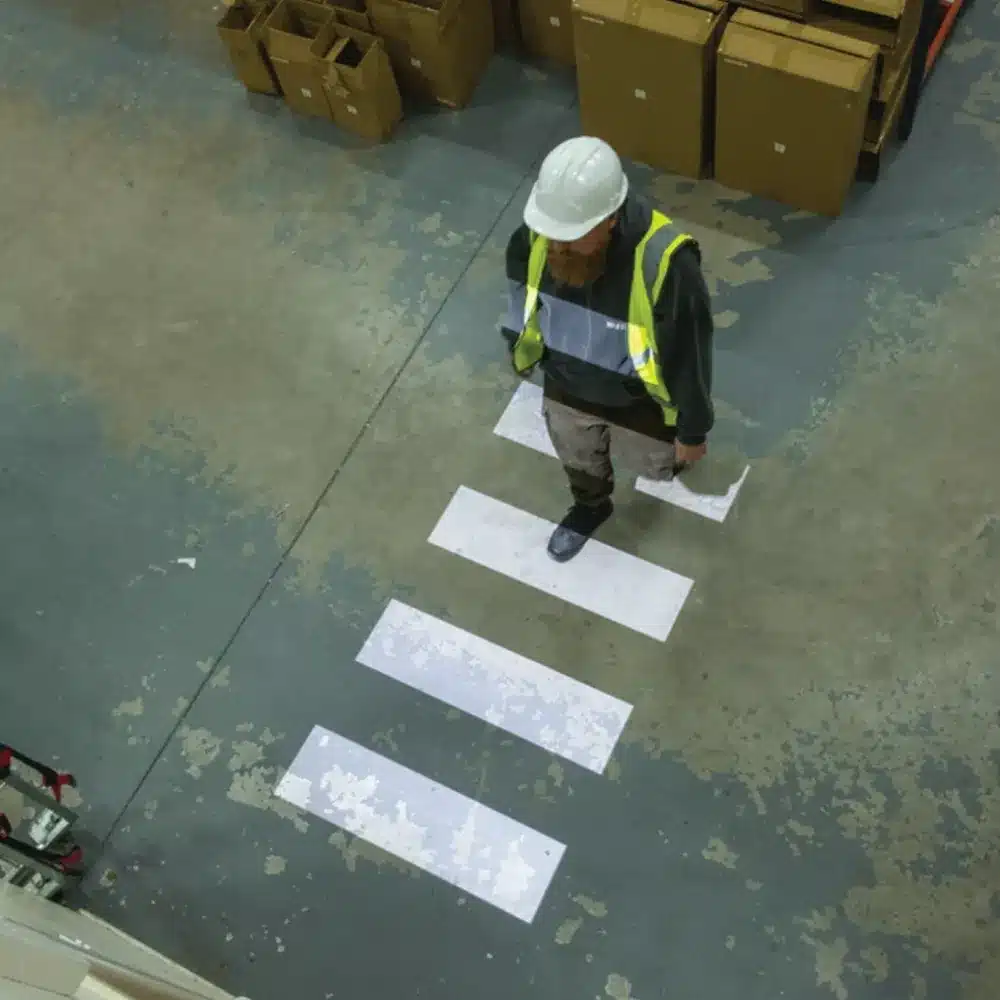
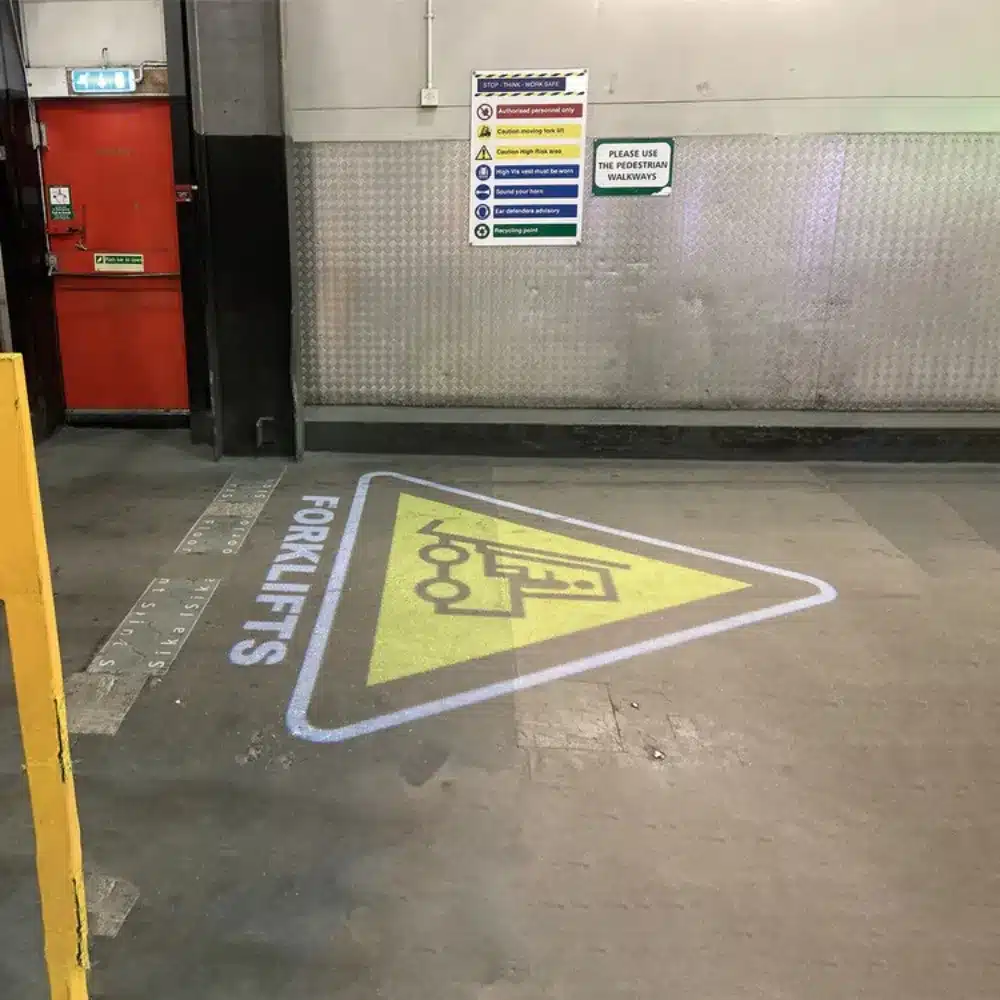
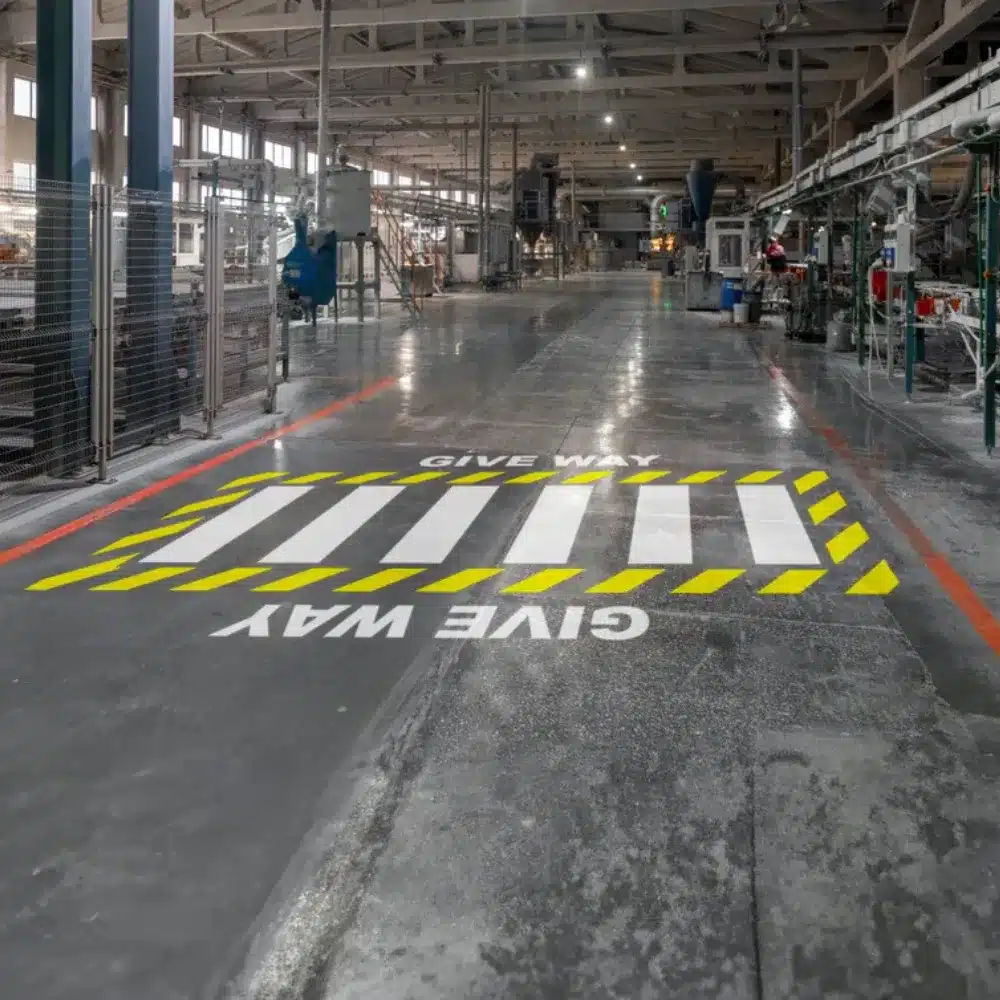
At a warehouse crossing, people need to know where to walk and when to stop. Clear signs help communicate those instructions. Barriers and gates help put them into practice.
Articles
Damaged warehouse safety barriers: repair, replace or redesi…
A forklift, pallet truck or other item of material handling equipment has struck a safety barrier. The barrier might show little more than a surface mark, or it may be…
Articles
Loading Bay Safety: Managing HGV Movement and Risk
Loading bays are designed around movement. HGVs arrive, manoeuvre into position, unload, pull away and are replaced by the next vehicle. That routine can make the risks feel familiar.
Company Updates
The IWS Group Rebrand: One Group. One Mission.
A New Chapter for Brandsafe as IWS Group Rebrands We’re excited to share some big news: Brandsafe has a fresh new look as part of the wider IWS Group rebrand….
Spotlight
The Importance of Comprehensive Site Safety Audits
Enhance Workplace Safety with Brandsafe’s Comprehensive Site Safety Audits At Brandsafe, we recognise the crucial need for maintaining a secure workplace. Our comprehensive Site Safety Audits are tailored to ensure…
Product Updates, Spotlight
PAS 13 Explained: The Code of Practice for Safety Barriers
The industry best practice for safety barriers and traffic management in the workplace PAS 13 was developed as a code of practice for safety barriers by the British Standards Institution…
Product Updates, Spotlight
Bollards: The Ultimate Guide to Buying and Installing Indust…
Essential Steps for Choosing and Implementing Industrial Bollards for Impact Protection Industrial bollards play a crucial role in workplace safety by providing protection against vehicle collisions and creating safe spaces…
Spotlight
Ensuring Safety in Your Retail Environment: A Closer Look at…
Ensuring Safety in Your Retail Environment: A Closer Look Impact Safety Protection In the fast-paced world of retail, where efficiency and safety go hand-in-hand, the design and implementation of impact…
Company Updates
IWS Group Welcomes Richard Harden as New Chief Executive Off…
IWS Group is thrilled to announce the recent appointment of Richard Harden as Chief Executive Officer. This move comes as part of the Group’s ongoing strategy to further drive…
Product Updates, Spotlight
What are the 4 main types of Pedestrian Safety Barriers and…
What are the 4 main types of Pedestrian Safety Barriers and Guardrails? Incorporating pedestrian safety barriers and guardrails into the workplace is essential. A visible safety barrier gives a clear…
Spotlight
Do Safety Bollards Need Maintenance?
Safety bollards serve a number of purposes; from EV charging point protection to keeping pedestrians safe, they’re a vital asset to many businesses. However, although these bollards are incredibly robust,…
Spotlight
The Science Behind Speed Bumps: How They Reduce Speed &…
Throughout our lives we’ll likely have encountered hundreds, if not thousands, of speed bumps. Whether you’re the driver yourself or a passenger, you can be sure to find speed bumps…
Spotlight
The Rise of Electric Vehicles and What This Means for Busine…
By now you’ve undoubtedly heard of them, you’ve likely seen a good few out on the road, or perhaps you even own or lease one yourself. The rise of electric…
Spotlight
Signs Your Workplace Might Be Unsafe
As a business owner, your number one priority should be the health and safety of your employees. An unsafe workplace can potentially be disastrous, and it's always better to prevent…
Spotlight
What to use when Armco Barriers can’t be installed
The overall footprint of a warehouse is rarely straightforward, creating challenges in managing traffic safety. So, it’s handy to know what to use when Armco Barriers can't be installed. One…
Spotlight
Save on car repair bills with simple and cheap solutions
Traffic management in workplaces is not simply about compliance with H&S rules. Some vehicle safety measures also help you to save on car repair bills with simple and cheap solutions….
Installations, Product Updates, Spotlight
How to Install Armco Barriers: An Installation Guide
This short installation guide will introduce you to the tools and steps required to install Armco barriers. We will also briefly run through the context and environment in which installing…
Spotlight
Speed Bumps Safety: UK Regulations Guide
This blog post will cover the best practice for the installation of speed bumps, and general safety and regulations. Speed bumps are often overlooked but they are essential to ensuring…
Spotlight
Where in the workplace are handrails required?
The importance of Pedestrian Handrail Systems in the workplace can often be overlooked. However, besides being an essential part of customer safety, they are also a legal requirement. We will…
Spotlight
The top industrial safety products for your business
Looking for a safety product checklist for your business? This article will highlight the most important industrial safety products (also known as control equipment) that you need in a warehouse…
Spotlight
How to Choose the Right Pedestrian Barriers
Terminology, ratings and product categories can make choosing the right pedestrian barriers for your workplace challenging. This guide directs you along the right path. The best safety barriers and guardrails…
Spotlight
Workplace Safety 101: The Steps you Need to Take
Finding ways to protect your staff, visitors and workplace safety record is now a fundamental daily business practice. We’ve put together some steps to take to help you foster a…
Spotlight
How To Prioritise Warehouse Pedestrian Safety
HSE regulations on workplace traffic management are clear. So, why do accidents still happen? In this guide, we share tips on how to prioritise warehouse pedestrian safety measures that must…
Product Updates, Spotlight
What Are The Best Lamp Post Protection Options?
Sourcing the best lamp post protection options can help you to ‘shed light’ on ways to reduce injuries and vehicle damage when a momentary lapse results in a collision. It’s…
Spotlight
HGV blind spots: considerations you may not have ‘seen…
Risk assessing the routes HGVs take across your site involves evaluating different weather conditions and times of the day, then responding decisively to avoid or manage HGV blind spots. A…
Product Updates, Spotlight
Armco crash barriers buying guide
Safety equipment on work premises doesn’t get more vital than traffic management systems. Our guide to Armco crash barriers brings you ‘up to speed’ on preventing vehicle accidents. You might…
Spotlight
Where to buy impact protection in the UK?
When you think about impact protection, you may not be aware of how important it is. Impact protection is required to prevent wear and tear, damage and accidents in warehouse…
Spotlight
How to improve your warehouse visibility
There are some essentials that you need to be aware of when thinking of health and safety within a warehouse environment. One of the most important things to consider is…
Product Updates, Spotlight
Car park stops: what do you need for each vehicle type
Have you thought about your traffic management system? There are some essentials you need for it, such as car wheel stops. Here, we will look at what car park stops…
Product Updates, Spotlight
Warehouse pedestrian safety: What products do you need this…
Judging from last Winter’s record-breaking rainfall, daylight will be in short supply in the coming months. Making sourcing warehouse pedestrian safety products especially urgent. Workplaces that involve pedestrians, off-road vehicles…
Installations, Product Updates, Spotlight
Speed Bumps: Where to place speed bumps in your workplace
Commercial driver training can only go so far in avoiding vehicle accidents on business sites. It’s important to know where to place speed bumps in workplaces, to manage all traffic…
Spotlight
Why your business should invest in parking posts
No matter how logically laid out your car parking area is, accidents can still happen. This is why parking posts make such a good investment. The most obvious advantage of…
Company Updates
Brandsafe Achieves EcoVadis Sustainability Award
INTERNATIONALLY RECOGNISED SUSTAINABILITY AWARD FOR BRANDSAFE We are delighted to have achieved a prestigious international award for our ongoing commitment to sustainability. The EcoVadis rating agency has awarded Bronze status…
Spotlight
Workplace Safety Checklist: 10 key areas for ultimate safety
When you're busy being productive, it is easy to overlook your H&S priorities. To help, here’s an essential 10 item workplace safety checklist. Regularly making sure that your workplace has…
Spotlight
What to look for in impact protection services
This article will help you to understand what to look for in impact protection services so that you can choose the best services for your company. Impact protection is a…
Product Updates, Spotlight
Warehouse Armco barrier models: The right barriers for your…
When it comes to safety systems where traffic and pedestrians meet, Armco barrier models are undeniably the best option. What can be a grey area, is how to site Armco…
Product Updates, Spotlight
HGV dock protection products: What your business needs
Managing your fleet of Heavy Goods Vehicles – or controlling how visiting HGVs manoeuvre on your site – relies on time-served safety solutions. Including these HGV dock protection products. No…
Spotlight
How wheel stops can help protect your company vehicles
Halt! Strategically placed wheel stops help drivers to manoeuvre accurately into designated spaces, with all the benefits that provides, as this article explains. If you have never overshot a parking…
Spotlight
What is an Armco Barrier?
From motorways to factories, farms and race tracks, Armco barriers are synonymous with traffic safety management. In this article, we explain what Armco barriers are. Rather than “What is an…
Installations, Product Updates, Spotlight
EV Charging Station Set Up: A Guide for Your Workplace
As the Government-backed shift to hybrid and electric vehicles is gathering pace, now would be a good time to understand the steps involved with EV Charging Station set up in…
Product Updates, Spotlight
Safety Bollards: 5 Types and Their Uses for Your Business
Safety bollards are a simple but effective solution for traffic management and H&S compliance. With a wide variety to choose from, in this article, we take a look at five…
Product Updates, Spotlight
Products in Focus: Safety Barriers for Your Warehouse
In a warehouse, safety is paramount. But how can you make your warehouse a safer place for everyone? Here we will look at introducing safety barriers and how installing these…
Installations, Product Updates, Spotlight
EV Charging Points: Protecting Your Investment from Impact D…
Many companies are investing in electric vehicle charging stations at their premises. With commercial units costing thousands, we want to help you avoid EV charging point damage with inexpensive existing…
Product Updates, Spotlight
Products in Focus: Column Protectors for Your Warehouse
Column wraps, skirts or guards can be sourced and installed quickly, serving a vital role in warehouse H&S. The potential for column protectors to save you time and money is…
Spotlight
The Best Impact Protection Options for Your Workplace
One aspect of Healthy and Safety compliance with no room for ambiguity or corner-cutting is shielding staff and visitors from site traffic and machinery. We drill down on the best…
Product Updates, Spotlight
Warehouse Armco Barriers: A Comprehensive Guide
If you’re not already among the many commercial sites using Armco barriers, this guide will demonstrate why this brand leads the sector. It will also answer questions about where you…
Spotlight
Are Your Safety Barriers Up to Scratch?
We’re lifting the lid on the subject of safety barriers, and vital factors that can’t be overlooked. Not least because incorrectly engineered or placed barriers can be more dangerous than…
Product Updates, Spotlight
5 Products for Improving Warehouse Safety
Regularly reviewing warehouse site safety – and sourcing products that fulfil your ‘duty of care’ – serves multiple purposes. Including keeping you operational and avoiding heavy Health and Safety related…
Spotlight
How We Partner With Our Customers to Achieve Mutual Growth
Our Marketing Manager for Brandsafe, Michael Clark, considers the critical role aftersales care and partnership plays in delivering the highest standards of safety and protection in the warehouse and logistics…
Spotlight
Understanding HGV Blind Spots for Better Impact Protection
When it comes to HGV protection, one of the most important ways to manage the risk of accidents is to closely examine the potential blind spots around your site. Where…
Product Updates, Spotlight
What You Need to Know About Our Armco Safety Barriers
There are many good reasons why we recommend Armco barriers for cross-site safety in diverse warehouse operations in the UK. It’s a brand with a stellar reputation in its field…
Company Updates, Spotlight
Brandsafe – Why We’re the Leading Impact Safety…
As an employer, meeting Health & Safety obligations must always be your top priority. Knowing where to go for expert help and quality safety products can help enormously, which is…
Spotlight
Common Accidents in the Industrial Workplace and How to Avoi…
Common accidents in the industrial workplace and how to avoid them. One wrong move in your workplace could result in an employee being injured, and your production schedule going off…
Spotlight
Growing Business Safely in the New Industrial Landscape
As warehouse and logistics operators continue to ramp up to handle the surge in online shopping, mitigating risk becomes ever more critical for a safer workplace. UK online retail sales…
Spotlight
A New Way of Working in the Industrial Sector
Online shopping has reached unprecedented levels, putting greater demand on warehousing, logistics and transport hubs. Our supermarkets are under immense pressure, heightening levels of manufacturing, warehousing and logistics. UK manufacturing…
Spotlight
The Importance of High Visibility Safety Fittings
Impact Prevention Should Go Hand-in-Hand with Impact Protection When you’ve invested – in many cases – millions of pounds into a refurbished building or a purpose-built facility, you will want…
Spotlight
Tips for Implementing Impact Safety in the Workplace
People Safety, Building Safety and Workplace Productivity When it comes to safety-proofing the building there are a three main objectives that must be, not only achieved, but harmonised. These are…